
Is Cabinet Refinishing Worth It For Older Homes?

San Jose Cabinet Refinishing

Cabinet replacement is a time-consuming project requiring demolition, installation, and repairing existing plumbing or electrical. San Jose Cabinet Refinishing preserves existing materials, diverts waste from landfills, and saves 50-70% compared to full replacement costs.

Beware of using harsh cleaners on refinished surfaces, which can dull or discolor them over time. Contact a local pros for detailed quotes, professional results, and a workmanship warranty.

Structural Considerations

If a homeowner wants to upgrade their kitchen without spending an enormous amount of money, cabinet refinishing may be the right choice. It is less expensive than refacing or replacing cabinets, but still allows the opportunity for a dramatic transformation with customizable paint colors and finishes.

Before starting any renovation, it is important to assess the condition of existing cabinetry. A professional assessment often includes a detailed report, which will highlight any areas that require additional work. For example, structural damage may need to be addressed prior to refacing or refinishing.

Moisture problems such as mildew and rot can weaken cabinet frames and box construction, leading to unstable structures that can warp or crack over time. If not repaired, these issues can cause cabinet doors and drawer fronts to become difficult to open or close properly. Water damage often shows visible signs, like sagging or discoloration, but can also be hidden in areas like inside corners and behind molding.

Refacing or refinishing can fix these issues, but it is important to understand that they cannot address more severe structural damage or problems caused by old or improperly installed cabinet hardware. The refinishing process may be more labor-intensive, but it can be less costly than complete cabinet replacement.

The refinishing process uses existing materials, which reduces waste and prevents old cabinets from ending up in landfills. It also utilizes fewer raw materials than a total cabinet replacement, which cuts down on energy consumption and carbon emissions. When choosing to refinish, it is important to choose a professional with experience and knowledge of sustainable materials and low-VOC products. Regular inspections are also key, so that any minor damage can be addressed promptly to prevent future deterioration.

Lead Paint Concerns

When paint is contaminated with lead, especially in homes built before 1978, exposure poses serious health risks. Young children are most at risk because of their developing bodies, brains, and nervous systems. Exposure can result in learning problems, lowered IQ, and behavioral issues. Lead-contaminated dust can easily be released during renovation or repair projects, and it’s important to hire a lead-safe certified contractor for any work on your home.

A cabinet refinishing pro will need to protect floors and countertops, strip existing paint, clean and sand, and apply stain or paint. It’s a labor-intensive project, and the more cabinets you have to refinish, the more it will cost. The average price for refinishing kitchen cabinets is $4 to $10 per square foot.

During the refinishing process, you can add custom touches like moldings and carvings. But the more decorative you make your cabinets, the higher the final cost will be. A complete refinishing with molding and carvings can cost $8,000 to $10,000.

If you’re planning to sell your home in the future, you’ll need to disclose any known lead-based paint hazards. A local lead inspection company can test for and identify any lead contaminants in your home.

If your home needs a major remodeling overhaul, replacing cabinet doors and drawer fronts might be a better choice than refinishing. But refacing can be expensive, too. A cabinet refacing project requires removing the existing drawer fronts and cabinet doors, then installing rigid thermofoil or wood veneer to the face of each cabinet box. A new layer of material is also applied to the cabinet boxes themselves, and hinges and handles are replaced.

Wood Quality

Cabinet refinishing is a greener alternative to replacement, using existing materials and minimizing landfill waste. It preserves durable wood, extending its lifespan and retaining its inherent character. It also offers virtually limitless design options, allowing homeowners to customize their look for aesthetics and functionality.

A cabinet refinishing project provides a fresh, clean look for kitchens and bathrooms, appealing to buyers. It can also boost home value, increasing resale potential.

However, this type of upgrade is not ideal for homes that need structural repairs, or that require a different layout or storage solutions. In addition, refinishing isn’t as long-lasting as a complete kitchen or bathroom remodel, which requires removal and installation of new cabinets.

Cabinet refinishing can be a cost-effective way to give your kitchen a refresh, and many local pros are willing to offer discounts for multiple projects. Before hiring a professional, take measurements and count your cabinets to get an idea of the scope of the work involved. Discuss your preferences with the pro to ensure they understand your vision and will be able to deliver the desired results. They can provide a quote and timeline, and will typically ventilate the space during the process to minimize health risks. They may take the cabinets off-site to refinish them, or they can perform the work at your home. Professionals can also help you choose the best refinishing technique for your cabinet material and desired outcome. With proper care, refinished cabinets can last for up to 10 years. It’s important to follow cleaning tips and avoid harsh chemicals, and to regularly conduct routine maintenance to ensure the longevity of the finish. For added protection, apply a coat of clear wax to your finished cabinets once a year.

Cost Savings

Refinishing saves significant money versus full replacement, especially for homes with solid layouts and cabinetry structures in good condition. A professional refinishing job typically runs in a few days to a week, allowing you to get back to your daily routine much sooner than with a major kitchen remodel. Plus, refinishing uses less labor than full replacement, cutting costs further.

Removing and replacing cabinets generates a lot of dust and mess, with airborne particles settling on surfaces throughout your home. By contrast, the majority of refinishing work takes place in the cabinet spaces themselves. This makes refinishing a cleaner process overall, minimizing disruption in the rest of your living space.

By using mild cleaning products without harsh chemicals, you can extend the life of your new finish and protect your investment. Regularly inspect refinished areas and touch up any scuffs or scratches before they become stains or chips. If you do spot a problem, it’s best to address them right away to minimize damage and rework.

If you have a small budget, targeted upgrades create big impact at an affordable cost. Swapping hardware like drawer pulls and knobs can cost as little as $3-$15 per item. Upgrades that elevate functionality add long-term value as well, such as soft-close hinges or crown molding.

Refinishing is a greener option than full replacement, diverting hundreds of pounds of waste from landfills while protecting your existing layout and casework. Depending on the scope of your project, refacing may also be a more environmentally sustainable alternative. By reusing your current doors and installing a fresh coat of paint, you can give them a new look while adding new elements like glass-front uppers to showcase dishware.

Resale Value Impact

Cabinet refinishing provides a high impact transformation for a small fraction of the cost of a full remodel. It allows homeowners to get the look they want and can make a home more appealing to buyers. However, it is important to consider the resale value when making your decision. Purchasing new cabinets can be expensive and may not provide the return you desire when it comes time to sell your home.

The decision to refinish or replace your cabinets is an important one that will impact your budget, timeline, and the style of your space. You should weigh the pros and cons of each to decide which option is best for you and your family.

Many homeowners choose to paint their existing cabinets to refresh the appearance of their kitchen. In fact, this is the most common type of cabinet refinishing job. However, painting has its own unique challenges that can affect the final result.

When choosing to refinish your cabinets, it is recommended to work with a professional refinishing company that has experience working with a variety of different cabinet materials and finishes. They will know how to properly prep the area, protect the surrounding surfaces, and use the proper tools and products for the job. They will also be able to keep the process quick and efficient.

Before staining or painting your cabinets, they will have to be stripped, cleaned, sanded, and repaired if necessary. Refinishing requires a lot of patience and attention to detail. However, the results are worth it. You will have a beautiful, fresh looking kitchen that will give your entire home a facelift.
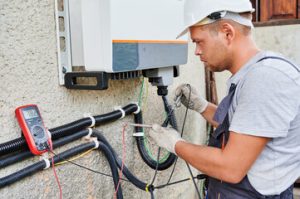
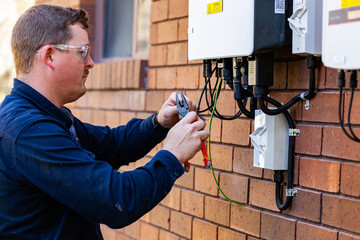
Generator Installation: Ensuring Reliable Backup Power for Homes and Businesses

Power interruptions can disrupt daily routines, compromise safety, and cause costly damage to equipment and property. Generator installation provides a dependable backup power solution that helps maintain essential operations during outages. Whether for residential or commercial use, a professionally installed generator ensures a continuous power supply when the primary electrical source is unavailable.

generator installation

Generator installation is a strategic investment in reliability and preparedness. Modern generators are designed to activate automatically during power loss, restoring electricity within moments. Understanding how generator installation works and why professional installation is important helps property owners make informed decisions about backup power solutions. Check our Website for personalized guidance.

Understanding Generator Installation

Generator installation involves integrating a backup power system into a property’s electrical infrastructure. This process includes selecting an appropriate generator size, connecting it to the electrical system, and ensuring safe operation during outages.

Generators supply electricity to essential circuits or entire properties, depending on system capacity. Proper installation ensures that power transitions smoothly and safely without risking damage to electrical components or appliances.

A well-installed generator provides peace of mind by supporting critical systems such as lighting, heating, cooling, and communication equipment.

Why Generator Installation Is Important

Generator installation protects properties from the consequences of power outages. Extended outages can lead to discomfort, food spoilage, and potential safety hazards. For businesses, outages can result in downtime and financial losses.

A backup generator provides stability during unpredictable power disruptions. It allows essential systems to continue functioning, maintaining comfort and productivity.

Key benefits of generator installation include:

  1. Continuous power supply during outages
  2. Protection for sensitive electronics and equipment

These advantages make generator installation a valuable addition to modern properties.

Types of Generators Used for Installation

Generators come in different types, each designed for specific needs. Understanding these options helps property owners select a system that aligns with their power requirements.

Standby generators are permanently installed and activate automatically when power is lost. Portable generators offer flexibility but typically require manual operation and limited capacity. Inverter generators provide efficient, quieter power for specific applications.

Choosing the right generator type is an essential part of the installation process.

Assessing Power Needs Before Installation

Accurate assessment of power needs is critical for successful generator installation. An undersized generator may fail to support essential systems, while an oversized unit may result in unnecessary costs.

Professionals evaluate electrical loads to determine the appropriate generator capacity. This assessment considers appliances, equipment, and systems that must remain operational during an outage.

A thorough evaluation ensures optimal performance and efficiency.

The Generator Installation Process Explained

Generator installation follows a structured process to ensure safe and reliable operation. Each step is designed to integrate the generator seamlessly with the existing electrical system.

The installation process typically includes:

  1. Site evaluation and system planning
  2. Electrical connection and system testing

During site evaluation, placement considerations such as ventilation, accessibility, and safety are addressed. Electrical connections are then completed using proper transfer equipment to ensure smooth power transitions.

Importance of Transfer Switch Installation

A transfer switch is a critical component of generator installation. It manages the flow of electricity between the utility source and the generator, preventing backfeeding and ensuring safe operation.

Automatic transfer switches detect power loss and activate the generator without manual intervention. Manual transfer switches require user operation but still provide essential safety protection.

Proper transfer switch installation ensures that backup power is delivered safely and efficiently.

Safety Considerations in Generator Installation

Safety is a top priority during generator installation. Improper installation can lead to electrical hazards, carbon monoxide risks, and equipment damage.

Professional installers follow strict safety protocols, including proper grounding and ventilation. These measures protect occupants and ensure reliable generator operation.

Safe installation practices are essential for long-term performance and peace of mind.

Generator Installation for Residential Properties

Residential generator installation focuses on maintaining comfort and safety during outages. Home generators can support critical systems such as lighting, refrigeration, and climate control.

Professionally installed generators operate automatically, providing seamless backup power without disruption. This convenience makes residential generator installation increasingly popular.

Homeowners benefit from reliable power that supports daily living during unexpected outages.

Generator Installation for Commercial Properties

Commercial generator installation addresses the need for uninterrupted operations. Businesses rely on continuous power to maintain productivity, protect data, and support customer services.

Commercial generators are designed to handle higher electrical loads and complex systems. Professional installation ensures that these generators integrate effectively with existing infrastructure.

Backup power solutions help businesses minimize downtime and maintain operational stability.

Maintenance Considerations After Installation

Proper maintenance is essential for ensuring generator reliability. Regular inspections and testing help identify potential issues before they impact performance.

Maintenance tasks may include checking fuel systems, inspecting electrical connections, and testing automatic activation. Routine care extends the lifespan of the generator and ensures readiness during outages.

Scheduled maintenance supports dependable backup power when it is needed most.

Environmental and Efficiency Considerations

Modern generators are designed with efficiency and environmental impact in mind. Advances in technology have improved fuel efficiency and reduced emissions.

Efficient generator installation minimizes fuel consumption while providing reliable power. Proper sizing and placement also contribute to optimal performance.

Considering efficiency helps property owners balance power needs with responsible energy use.

Choosing Professional Generator Installation Services

Generator installation requires specialized expertise and adherence to safety standards. Professional installers have the knowledge and tools necessary to complete installations correctly.

Professional generator installation services typically offer:

  1. Accurate power assessments and system recommendations
  2. Safe installation with thorough testing and verification

Working with experienced professionals ensures that generators perform as intended.

Long-Term Benefits of Generator Installation

The long-term benefits of generator installation extend beyond immediate backup power. A reliable generator adds value to a property and enhances preparedness for future outages.

Backup power systems reduce stress during emergencies and support the continuous operation of essential systems. Over time, this reliability contributes to improved comfort and productivity.

Generator installation is an investment in resilience and security.

Preparing for Power Outages With Generator Installation

Power outages are unpredictable, but preparation reduces their impact. Generator installation provides a proactive solution that ensures readiness for various scenarios.

With a professionally installed generator, properties can maintain essential functions regardless of external power disruptions. This level of preparedness offers confidence and stability.

Planning ahead with generator installation supports long-term resilience.

Generator installation is a practical and effective solution for ensuring an uninterrupted power supply during outages. From assessment and planning to installation and maintenance, every step plays a role in system reliability.

Professional installation ensures safe integration with existing electrical systems and delivers dependable backup power. By investing in generator installation, property owners can protect their comfort, operations, and peace of mind.

Powering Your Home and Business with Reliable Electrical Services

Electricity is the lifeblood of modern living. From lighting and appliances to communication systems and climate control, nearly every aspect of our daily routines relies on a stable electrical infrastructure. Because of this, electrical services play a critical role in ensuring homes, workplaces, and public spaces remain safe, efficient, and functional. Understanding what electrical services involve and how they can benefit you can make a big difference in maintaining and improving your property.

electrical services

The Scope of Electrical Services

Electrical services cover a wide range of work beyond simply fixing a blown fuse or replacing a light fixture. They include installation of new wiring, upgrading outdated systems, troubleshooting and repairs, maintenance, and safety inspections. Whether you’re constructing a new building, remodeling a kitchen, or adding outdoor lighting, skilled electrical work ensures your system can handle the load and comply with safety standards.

Some common services include wiring and rewiring, installing panels and circuit breakers, setting up energy-efficient lighting, integrating smart home systems, and maintaining or upgrading existing electrical infrastructure. Each task demands precision, knowledge of current codes, and the right tools.

Importance of Safety

Electricity is powerful and, when mishandled, potentially dangerous. Faulty wiring or overloaded circuits can cause fires, electric shocks, or expensive damage to appliances. Professional electrical services minimize these risks by ensuring that every component is installed and maintained correctly.

Routine inspections and maintenance can identify hidden problems before they escalate—loose connections, outdated wiring, or worn-out breakers can be repaired or replaced promptly. By prioritizing safety, you protect not only your property but also the well-being of everyone who uses it.

New Installations and Upgrades

Whether you’re building a new home or expanding an office, proper electrical planning is essential. This includes designing circuits to meet present and future power demands, positioning outlets and switches for convenience, and ensuring compatibility with modern appliances.

Upgrades are equally important for older properties. Outdated electrical panels may not handle the load of today’s technology-heavy lifestyles. Replacing them with higher-capacity systems improves efficiency and safety. Adding ground fault and arc fault protection, surge protectors, or dedicated circuits for large appliances are common upgrades that bring systems up to modern standards.

Energy Efficiency and Sustainability

Electrical services also contribute to energy efficiency. By installing LED lighting, motion sensors, dimmers, and programmable systems, you can reduce power consumption without sacrificing comfort. Many property owners also invest in renewable energy solutions, such as solar integration or battery storage, which require specialized electrical expertise to install safely.

These improvements not only lower utility bills but also lessen your environmental footprint. Skilled electricians can recommend and install technologies that match your lifestyle and sustainability goals.

Emergency Repairs and Troubleshooting

Electrical issues rarely happen at convenient times. Flickering lights, frequent breaker trips, or loss of power in certain areas can disrupt daily life and signal underlying problems. Reliable electrical services include prompt troubleshooting to diagnose and fix these issues quickly.

Trained professionals use specialized tools to test circuits, locate faults, and restore power safely. Having access to a trusted electrical service provider gives peace of mind when unexpected problems arise.

Commercial and Industrial Applications

Electrical needs extend beyond the home. Businesses, factories, and public facilities rely on robust systems to power equipment, lighting, security, and communication networks. Commercial electrical services include installing high-capacity wiring, backup generators, uninterruptible power supplies, and advanced control systems.

Because downtime can be costly, regular maintenance and inspections are critical in these settings. Professional electricians ensure compliance with workplace safety standards and minimize the risk of disruptions that could affect productivity or customer experience.

Smart Technology Integration

Modern electrical services are not limited to basic wiring. With the rise of smart homes and workplaces, electricians now install systems that allow you to control lighting, climate, and security from a smartphone or central hub. This requires careful planning of wiring, sensors, and network connections to ensure seamless operation.

Integrating technology also improves convenience and energy management. For example, automated lighting can adjust brightness based on occupancy or time of day, while smart outlets can monitor power usage and prevent phantom energy drain.

Planning for Future Needs

A forward-thinking approach to electrical services can save time and money down the road. When planning renovations or new construction, consider potential expansions—extra circuits, empty conduit runs, or additional outlets can make it easier to add new appliances, workstations, or charging stations later.

This proactive mindset helps ensure your electrical system remains adaptable as technology evolves. Whether it’s installing an electric vehicle charger, upgrading to more efficient heating and cooling, or adding new office equipment, proper infrastructure prevents overloads and costly rework.

The Value of Professional Expertise

While minor tasks like replacing a lightbulb can be done by anyone, more complex electrical work is best left to professionals. They have the training, tools, and knowledge to handle installations and repairs safely and efficiently. Professional electrical services also stay up-to-date with building codes and regulations, ensuring your system is compliant and insurable.

Attempting DIY repairs without the right experience can lead to mistakes, injury, or voided warranties. Investing in skilled help protects your property and gives you confidence that the job is done right.

Maintenance for Long-Term Performance

Just like any other system in your home or business, electrical infrastructure benefits from regular care. Scheduling routine inspections can catch loose wires, worn components, or outdated fixtures before they cause problems. Cleaning and tightening connections, testing protective devices, and verifying grounding are simple steps that extend the life of your system.

By maintaining your electrical system, you reduce the likelihood of emergencies, improve efficiency, and keep your property safe.

Empowering Your Space

Reliable electrical services do more than power your lights—they empower your entire living or working environment. From installing the first outlet in a new building to upgrading panels for cutting-edge technology, professional expertise ensures safety, efficiency, and adaptability.

By understanding what electrical services encompass, you can make informed decisions, plan for the future, and enjoy the benefits of a well-designed, well-maintained system. In a world where electricity drives nearly everything we do, quality electrical work is not just a convenience but a necessity that keeps life running smoothly.